2025: Year in Review
This year was a doozy.
Between a ballooning workload, family hardships, and other obligations—not to mention my fury at our political regime and its cruelty—I found it hard to get in the right headspace to write, or read, or do anything that required a lot of focus. There was always something pulling me away, and rightfully so. I wasn’t feeling called to engage in anything too challenging, because I was already feeling very challenged; I wasn’t motivated to push myself to create because I was already pushing so hard in other areas of my life.
Admittedly, it was also a convenient excuse. But I’m okay with that being my narrative for 2025, and I’ll tell you why.
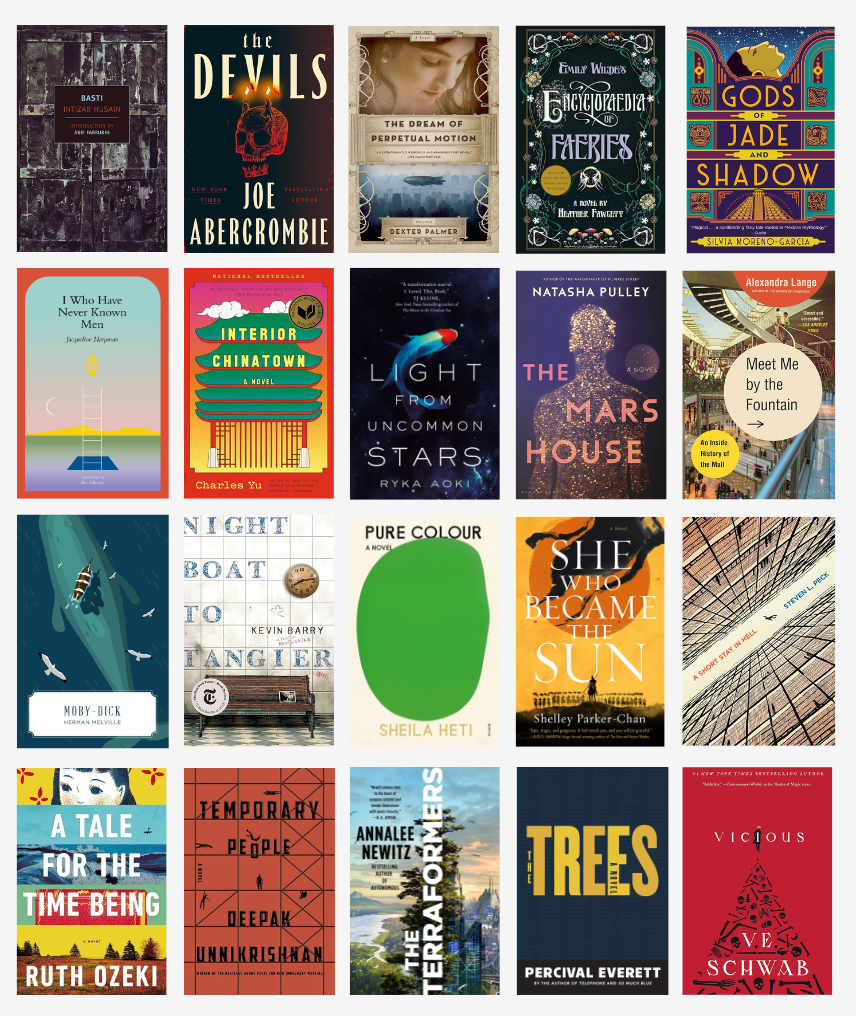
This year, I realized I needed to be gentler with myself. This is getting a touch personal, but to hell with it: in 2025, I noticed myself changing into someone I didn’t recognize. I was warping under the stress. I was becoming less kind, less attentive, less patient. More scattered and less reliable. Most of this has nothing to do with my writing, but it does explain—in retrospect, at least—why I chose some of the books I did. A Short Stay in Hell (shoutout to B for the rec!). A Tale for the Time Being. I Who Have Never Known Men. Moby-Dick. All of these books are straining at the seams with the search for meaning amidst a dispassionate universe. All of them brought me comfort to know I wasn’t alone, even if their characters (in most cases) are the product of invention.
Other books I chose, knowingly or not, were especially appropriate given how brazenly the U.S. government is oppressing communities of color. ICE raids, the erasure of DEI initiatives (and the entire word “equity,” really), crusades against “wokeness,” and continued state-sponsored violence at the hands of police—a reign of terror that relies on a news cycle that’s quick to forget. This made The Trees, Interior Chinatown, Temporary People, and Basti hit even more profoundly than they would have otherwise.
Ultimately, the 20 books I read this year brought me some peace. I didn’t love all of them, I wouldn’t recommend all of them, but I am so happy they were there when I needed them.
As for writing, I think 2025 kicking my ass a little bit was necessary for me to realize a couple of seemingly contradictory things:
It’s okay when you’re not making progress. I had a lot of stories in the backlog from 2024 that I continued to submit this year. Almost none of them hit. (Shoutout to Dark Moon Books for believing in one story, forthcoming in February 2026!) I know from past experience that will happen; and, more than likely, each story could eventually resonate with the right editor. Not meeting my pace from last year isn’t a failure. It’s just a more circuitous path toward getting my writing where I want it to be. The only way to push through is to keep submitting and, more crucially, to keep writing. Which brings me to…
Discipline is key. As much as I hate to admit it, I need more discipline. Practicing consistent habits is the most surefire way to write, edit, and finish stories. Too often this year, I would wait for the perfect convergence of time, inspiration, and motivation. It almost never came. In the spirit of being gentler with myself, I’m not disappointed in my choices, really; I’m glad I gave myself some breathing room. But I’m ready to make a change in 2026 and push myself again.
Publications
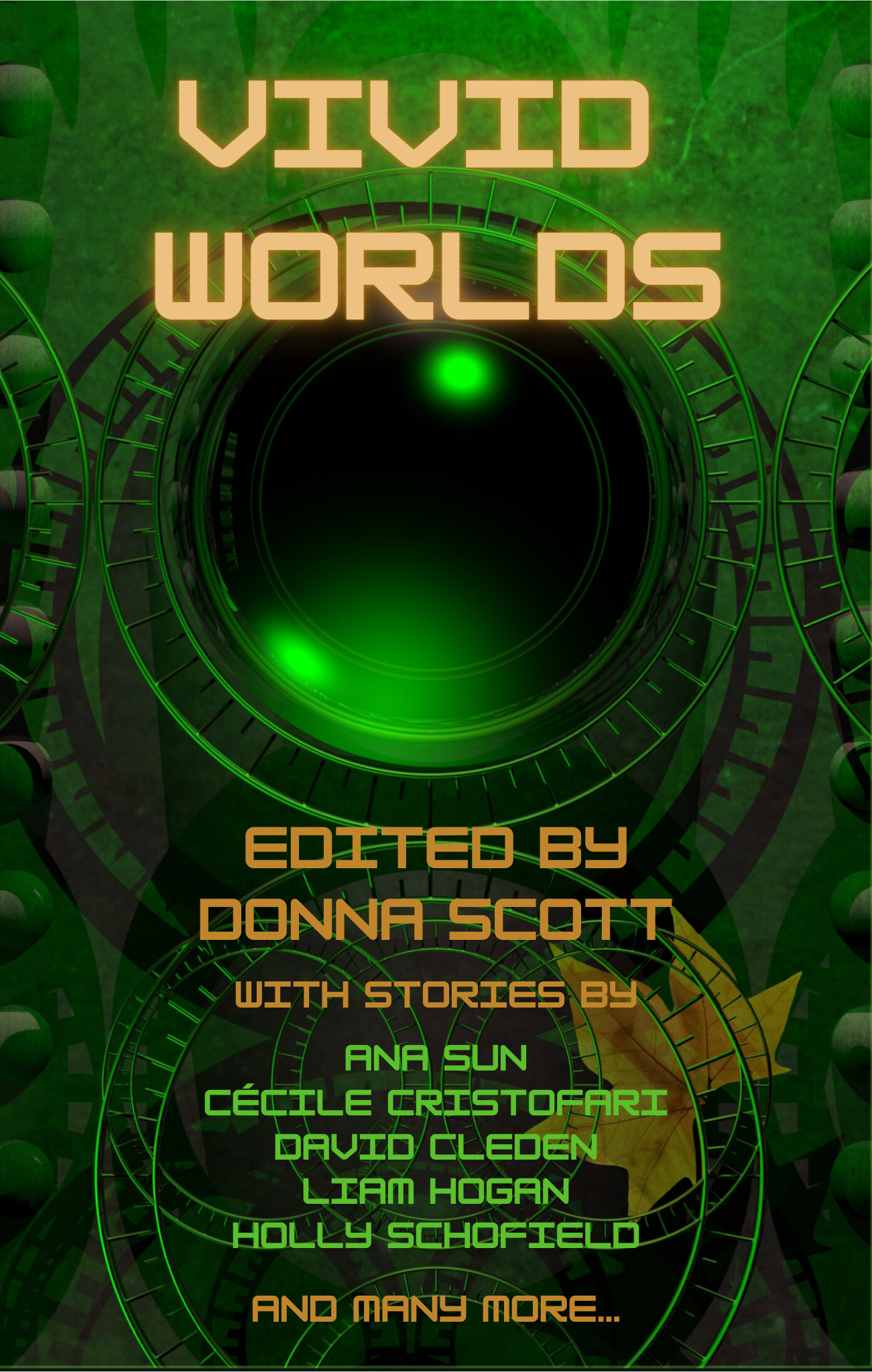
This year, I published one story: “The Mango Keeper,” which you can find in Vivid Worlds, an anthology from new publishing house, The Slab Press. I am so very proud of this story, my first venture into the solarpunk genre, inspired by my time years ago in central Honduras. The issue is excellent from top to bottom, including Donna Scott’s editorial introduction that beautifully frames the purpose for releasing a solarpunk anthology into the world at this moment. Order a print copy or get the audiobook over at their website.
My Alphabetical Year
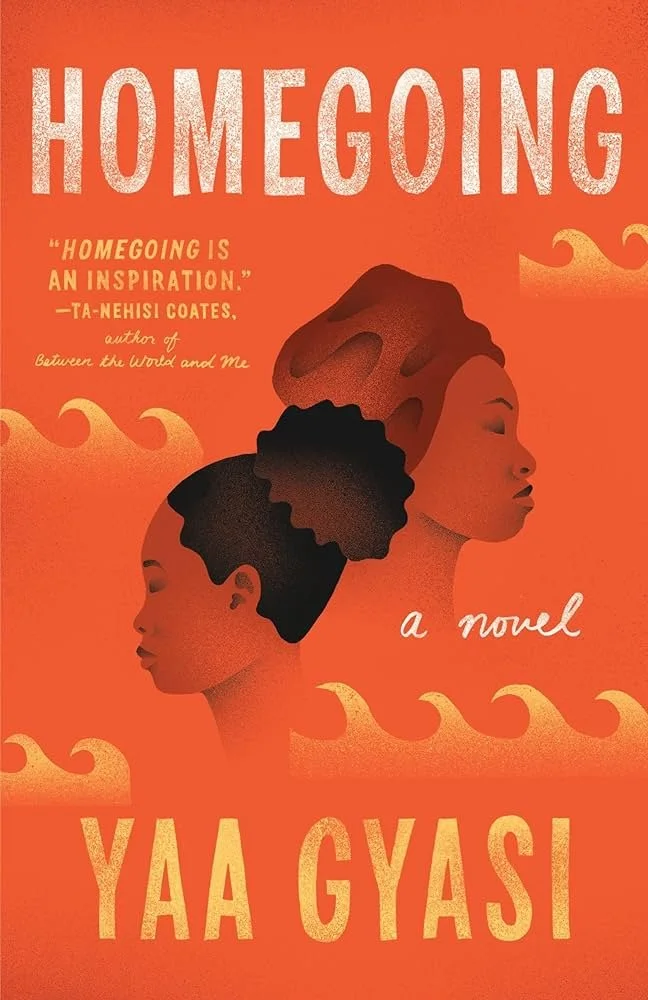
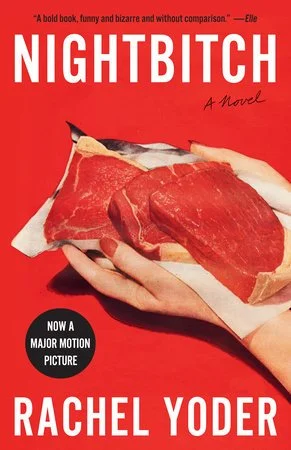
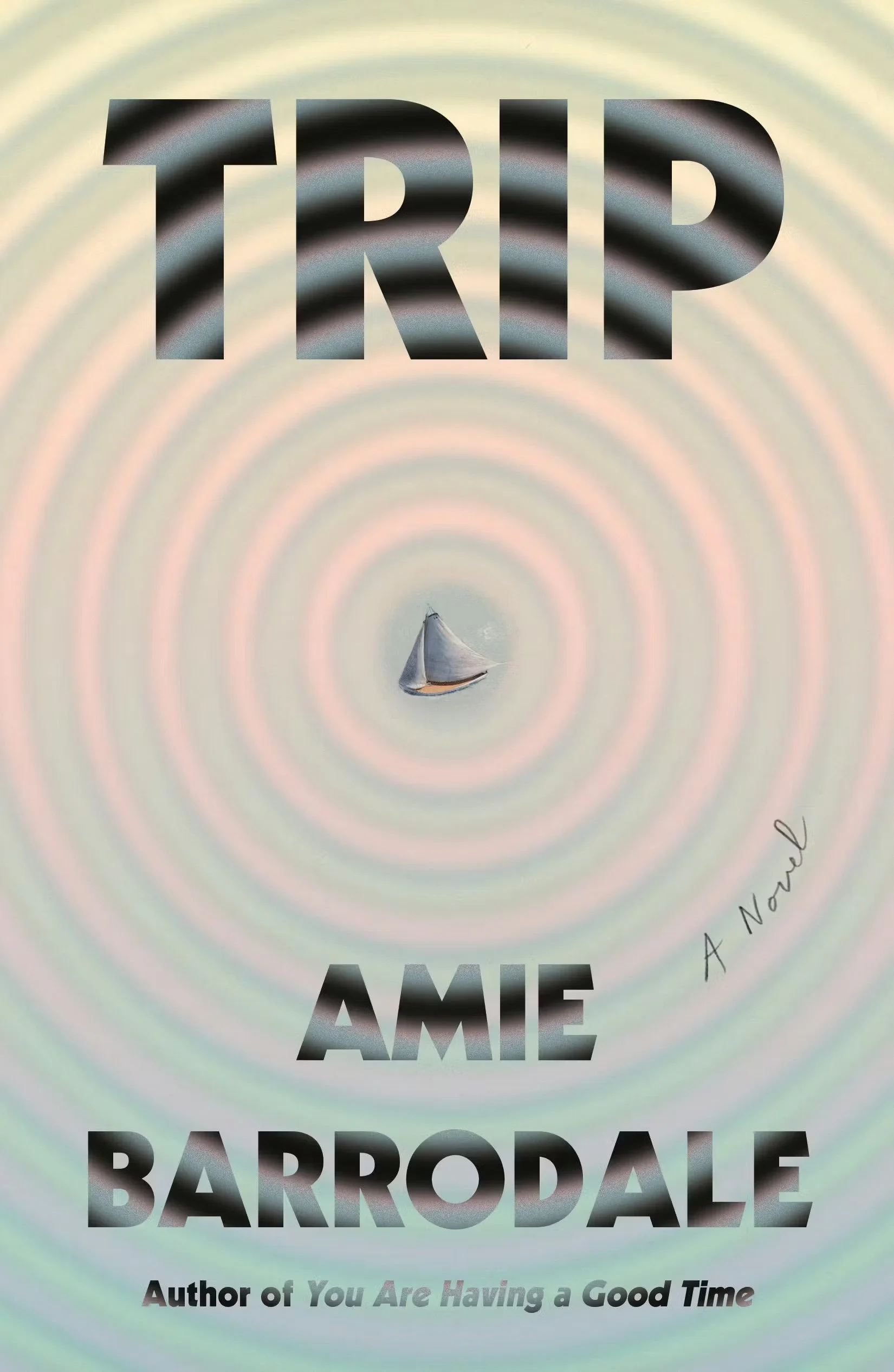
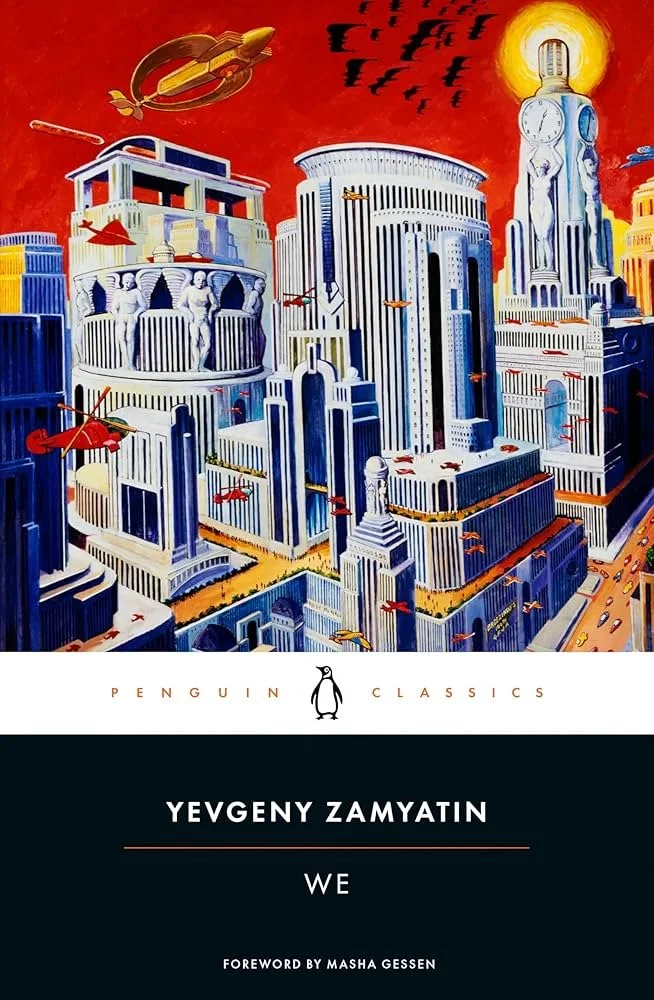
For 2026, I’ve set an ambitious and slightly hare-brained goal: read 26 books in alphabetical order, all with one-word titles. Of course, 26 books might be child’s play for someone else, but I’m still recuperating from a year filled to the brim with work and life obligations and my pace has gotten so much slower.
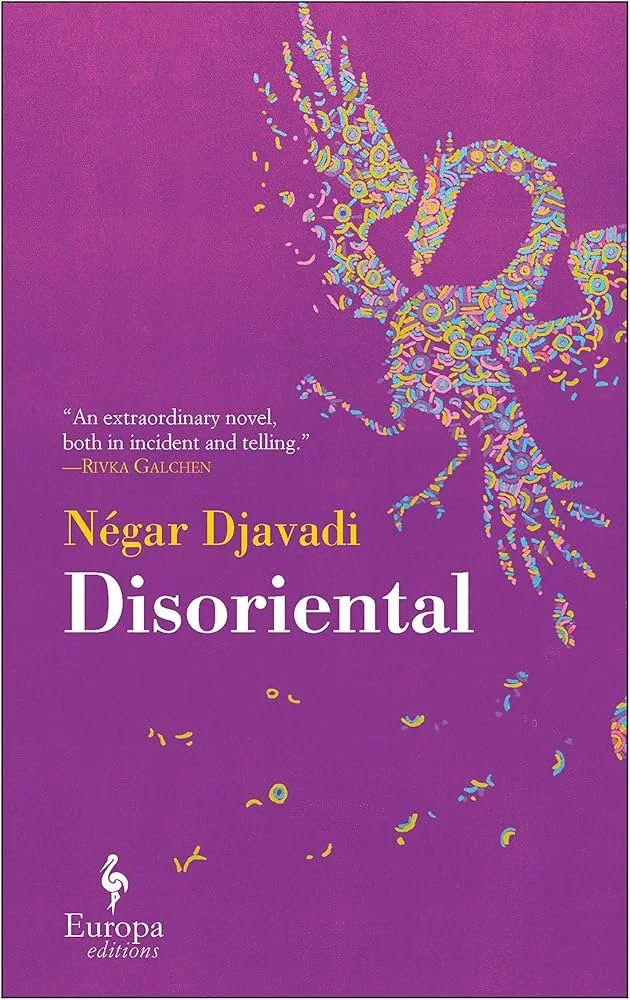
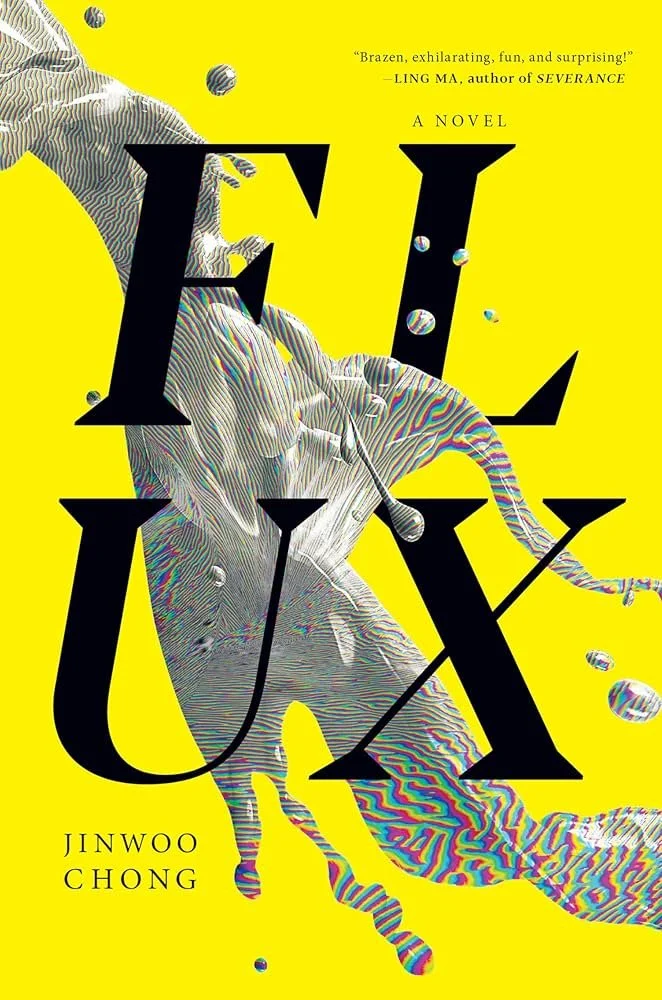
Aside from its fundamental conceit, I have two goals for this 26-in-’26 challenge: read a variety of genres from a diverse set of authors, and only read books that have been recommended to me organically—in other words, without searching. So far, I’ve compiled a list that mostly achieves this (although I admit I called in some help from Goodreads for “Q”). You can check out the list on Storygraph, but here are some titles I’m especially excited about:
Recommendations from 2025
Now, without further adieu, my year-end summary—with a small twist! Instead of giving each book a star rating this year, I’ve sorted them into three categories:
Wholeheartedly Recommend: exactly what it sounds like! These were books that filled me with joy, made my mouth drop with awe, and/or had the overwhelming and rare je-ne-sais-quoi that made me want to talk about them incessantly with all my friends and family. They may not be your thing, but they’ll probably (hopefully?) leave a lasting impression!
Recommend: one level down from top honors, these books were stellar works of fiction that I would recommend happily. These recommendations may come with minor qualifiers (content warnings, things I didn’t love) or slightly less enthusiasm (maybe I had some quibbles with the writing or plot, or thematically it just didn’t quite land), but they still are worth sharing with everyone.
Tentatively Recommend: these are books that I enjoyed, but would stop short from recommending before asking my recommendee some questions first, such as: do you like novels that are basically loosely connected short stories? Does a book need to “make sense” for you to enjoy it? How do you feel about cynical postmodernism? These books are ones that personally resonated with me in some way (or, in one case, repulsed me), but may be an acquired taste.
There are also a few books that just weren’t my thing, or are (in my mind) niche enough that I wouldn’t think to recommend them. Like last year, I’ve paired short stories with all of my books! But I’ve winnowed down the (already slim) list to just those that are in the above three categories.
***Also, I have tried to keep things mostly spoiler-free! But I’m not perfect, and everyone has a different spoiler tolerance, so consider this your warning.***
Last thing before I start, there are a few short stories I loved this year that don’t have pairings. I highly encourage you to check out these wonderful morsels of rage, grief, and love:
All That Means or Mourns, by Ruthanna Emrys, in Reactor. If I was pairing stories with movies, I would pair this with Hamnet (I haven’t read the book—eek!) for how deeply yet tenderly it excavates grief.
The Magnolia Returns, by Eden Royce, in Podcastle. A collection of four mini-stories, all connected by a humble butcher shop that has a unique way of providing exactly what folks need.
The Piano Player Has Eight Arms, by Íde Hennessy, in Reckoning 9. A no-holds-barred story of fervent justice, where the ultra-wealthy get their comeuppance by the many arms of an octopus.
Ratlines, by Brent Baldwin, in Clarkesworld. “Resistance comes in the small actions.” A thrilling and visceral story of escape and choosing your own justice.
The Tale of How You Were Born, by Eleanor Elizabeth Fog, in Beneath Ceaseless Skies. A quiet story of beautiful, unexpected friends and chosen family that kept me guessing from the beginning.
Wholeheartedly Recommend
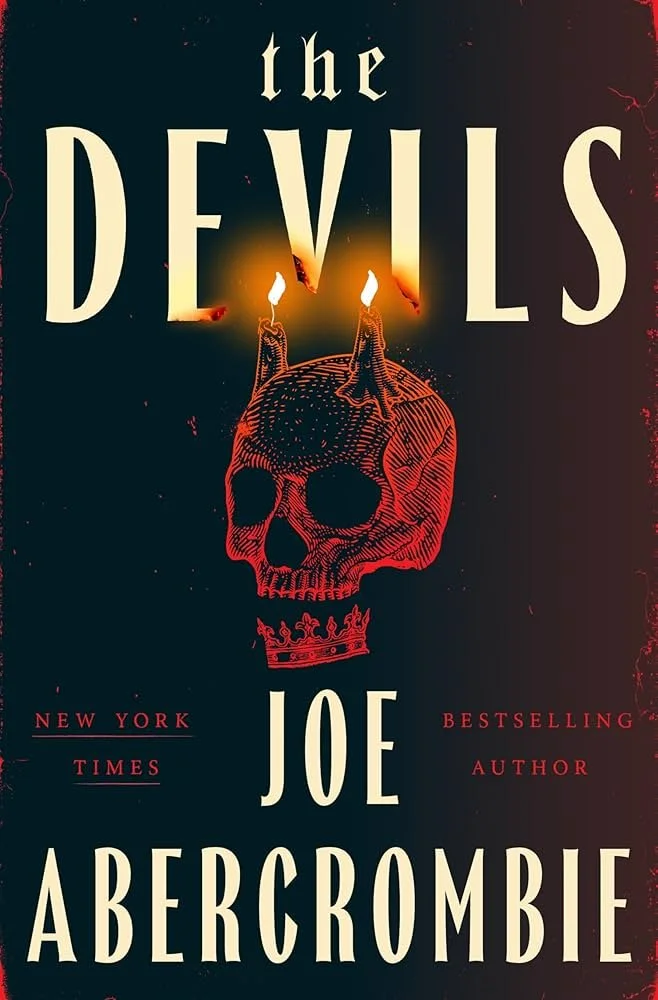
The Devils | Joe Abercrombie
I never would have expected to put a Joe Abercrombie book in this category. I like his novels, but I always hesitate to recommend them because they’re so grim, so violent, and just so…much. But The Devils is different, like a fantasy version of Dispatch or any other “squad up” story, except this squad is made up of the rejects. It is uproariously funny, with a surprising amount of pathos for each character—especially the melancholy elf, Sunny, and the well-meaning but dangerous werewolf, Vigga. It is definitely violent, and the action scenes go on for a bit too long, but it is so satisfying to watch these castoffs learn about themselves and (sort of) change.
Pairing: “Savannah and the Apprentice” | Christopher Rowe | Lightspeed
A high-fantasy romp two shades shy of Abercrombie’s trademark cynicism, Rowe’s story of Savannah the Librarian—a bounty hunter whose reputation precedes her—and her demon familiar, Boy, explores a similar question to The Devils: who are the true villains, and do they deserve mercy?
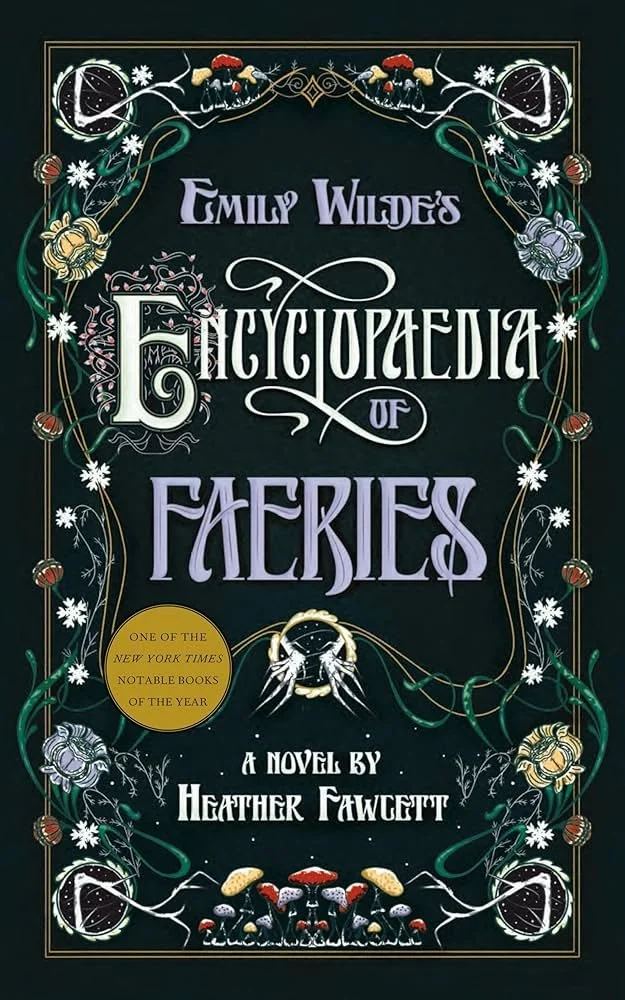
Emily Wilde’s Encyclopaedia of Fairies | Heather Fawcett
Fawcett’s first volume in her Emily Wilde series—which chronicles Professor Wilde’s attempt to write the seminal anthropological study of the fae—is so charming, who needs a propulsive plot? It was the characters and only the characters, in all their quirky stubbornness, that kept me reading. That’s a remarkable feat, and though the plot does thicken, it’s Emily and her frenemy, Bambleby, that make this novel so compelling.
Pairing: “Someone to Feed You” | Abigail Kemske | Apex
The fae in Fawcett’s world, like most fae, mask their viciousness with wit, whimsy, and ethereal magnetism that draws humans to their peril, even if the humans know better. The creature in Kemske’s haunting story is more harrowing but just as magnetic, compelling our narrator to give and give of themselves in increasingly dire ways.
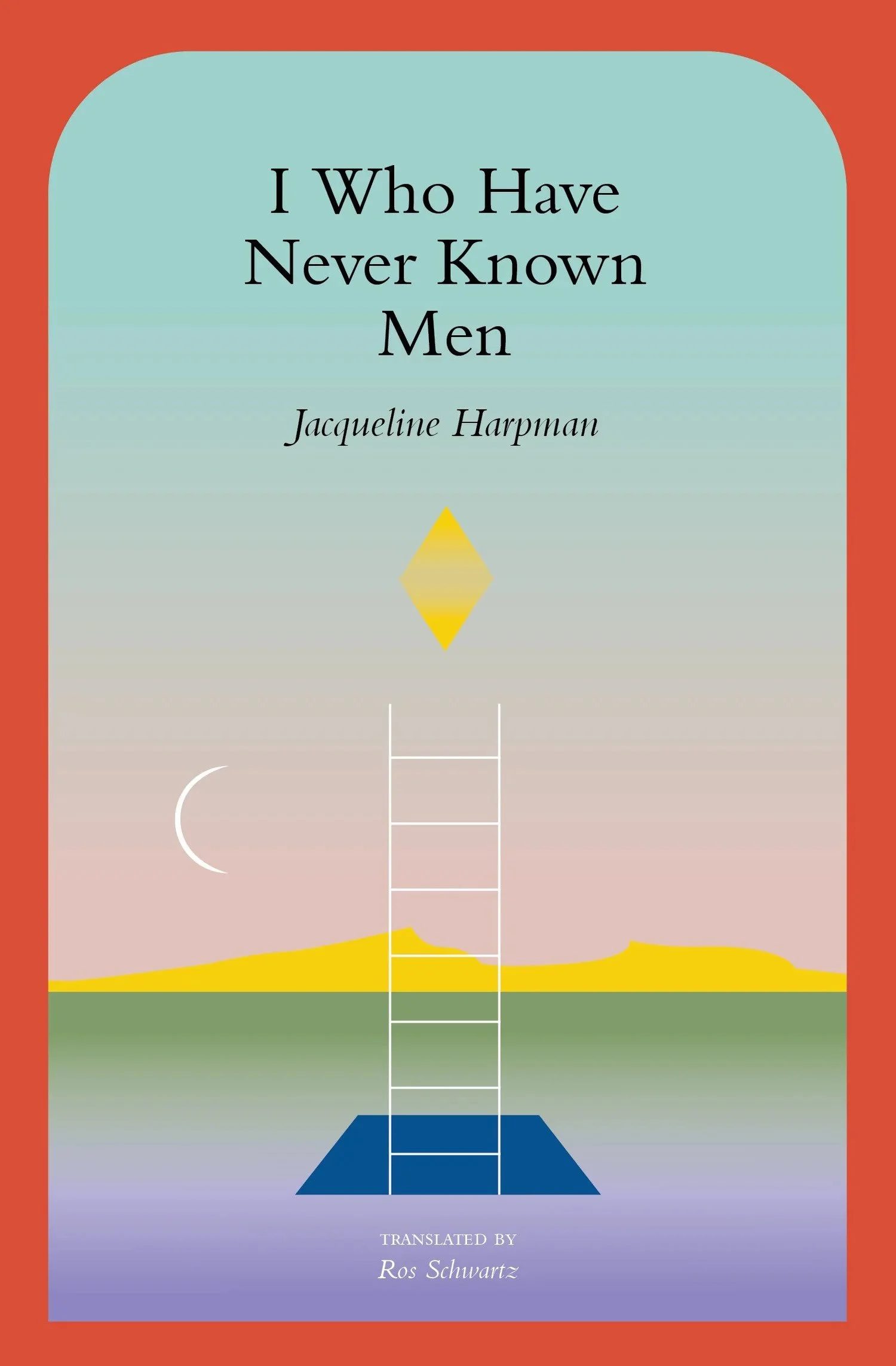
I Who Have Never Known Men | Jacqueline Harpman
BookTok has been awash with a million “What did I just read??” reactions to I Who Have Never Known Men, but I will make it a million and one: what even is this book? It starts with what seems like a social experiment, before bucking that part of the story and becoming a tale of survival, curiosity, and what it means to contemplate the mysteries of the world. Those mysteries extend beyond the page—Harpman stops short of answering her nameless main character’s (or the reader’s) questions. The number of times I lurched forward, tempted by a potential reveal, only to come up empty-handed—well, let’s just say I learned my lesson, in the best way.
Pairing: “Things the Older Boy Understands” | Sierra Branham | Apex
This heartbreaking and heartwarming flash fiction piece shares some common details with Harpman’s novella: nameless characters who can’t communicate with each other struggling to survive in an alien setting. The themes diverge, though: even though the boys in Branham’s piece suffer immense hardship, there is meaning in their struggle, and the end brings answers.
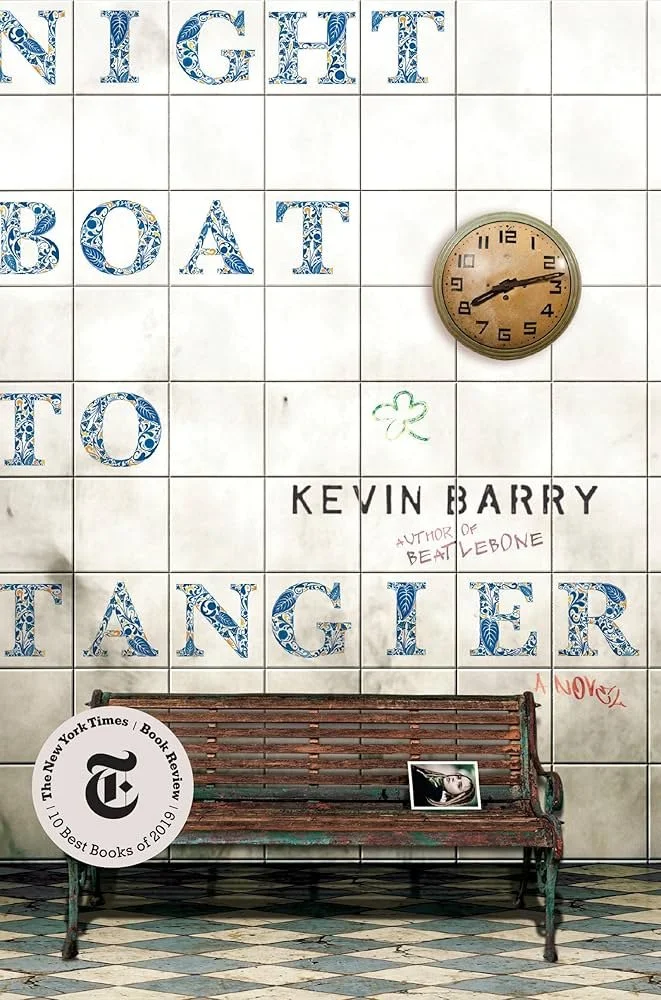
Night Boat to Tangier | Kevin Barry
Waiting for Godot meets In Bruges, with undertones of García Lorca’s Spanish gothic moodiness. Two washed-up Irish gangsters (Maurice, Charlie) keep vigil at the seedy port of Algeciras, watching for Maurice’s itinerant daughter, Dilly. It’s a deceptively simple set-up for a story with surprising depth, particularly in Maurice’s flashbacks of his restless home life. It verges on melodrama at times, but this book has some of the most achingly beautiful prose I’ve ever read.
Pairing: “In Our Dreams” | Camden Rose | Baubles from Bones
Rose’s quietly powerful story features no gangsters, no drugs, and no self-inflicted trauma, but it shares a similar core to Barry’s novel: two characters struggling to communicate after a long separation has changed them fundamentally.
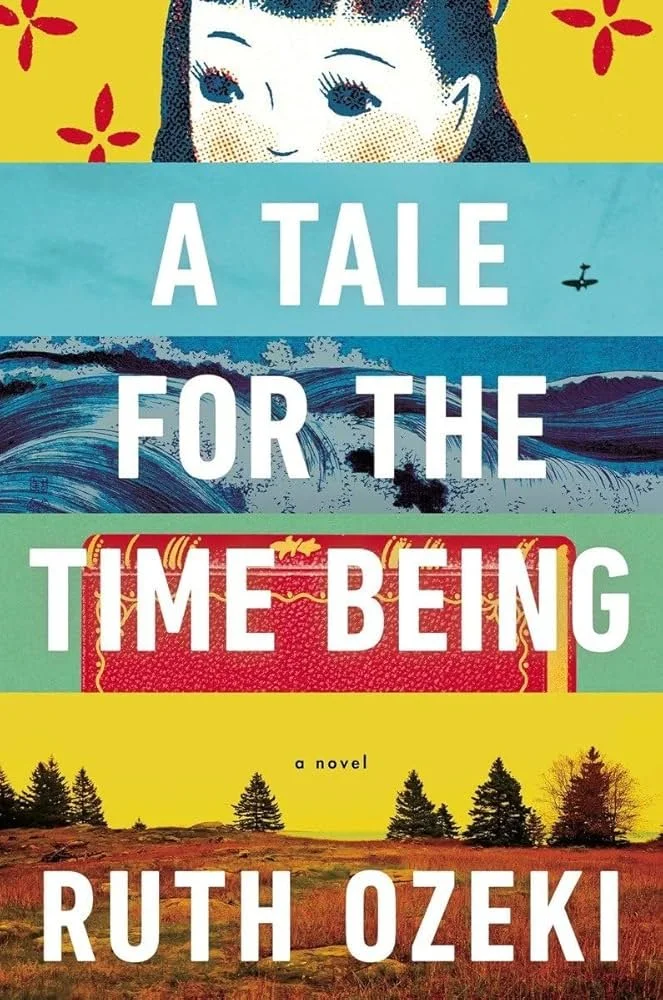
A Tale for the Time Being | Ruth Ozeki
“Hi! My name is Nao, and I am a time being. Do you know what a time being is?” So begins Ozeki’s ocean-spanning, footnote-laden fantasia about Nao, a high-schooler in Tokyo whose diary washes up in British Columbia. The diary is found by Ruth, an author with writer’s block (wink wink). Come for Nao’s wry and quirky humor; stay for meditations on time, meaning, and oblivion. (Note: major content warnings for bullying and suicidal ideation.)
Pairing: “Lyra, from Many Angels” | Hiron Ennes | Escape Pod
Probably my favorite short fiction from 2025, Ennes’s story about Lyra—a young astronaut charged with escorting miraculous and magnanimous aliens to the far reaches of space—explores similar themes to Ozeki’s novel, set against a hard sci-fi backdrop (and I do mean hard sci-fi—expect words like “spirochetes” and “lysogeny broth”).
Recommend
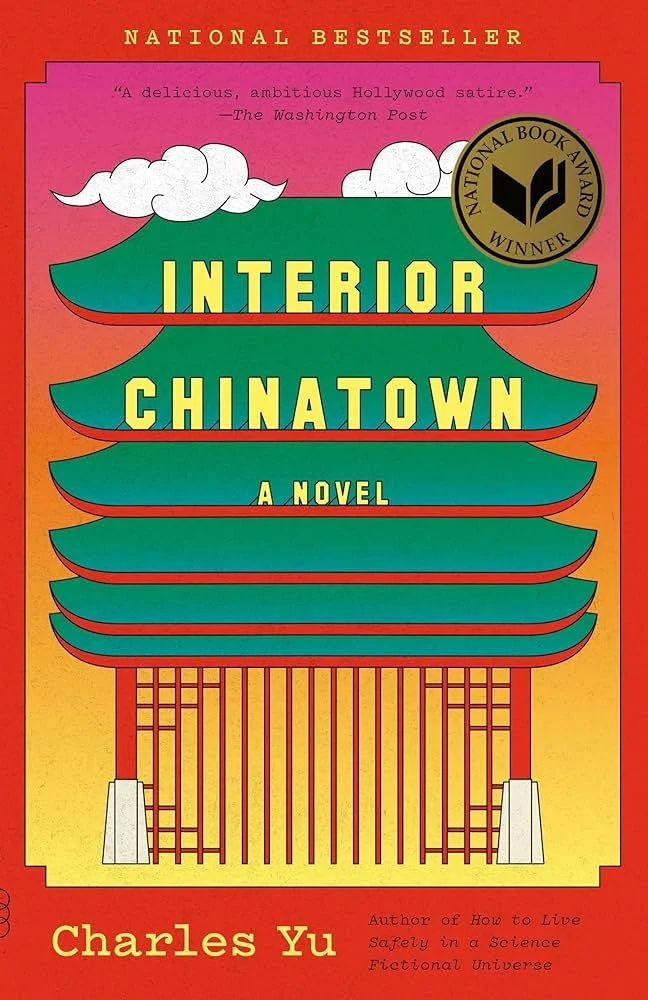
Interior Chinatown | Charles Yu
Willis Wu has always wanted to be “Kung Fu Guy,” the role all Asian-American men aspire to. With this role constantly out of reach, Wu is stuck playing bit parts, until he sees past the script that’s written for him. Interior Chinatown is cheeky, inventive, and full of blistering commentary on race, oppression, and our collective construction of identity. Yu tells the story through a surreal and disarming mix of screenplay, narrative, and courtroom drama in a way that’s thought-provoking, sometimes confusing, but always fun.
Pairing: “Six People to Revise You” | J.R. Dawson | Uncanny
I originally thought P.C. Verrone’s Hollywood-set tale “A Nameless Thing” (see The Trees, below) would be a good pairing for Yu’s novel—and in many ways, it is! But J.R. Dawson’s “Six People to Revise You” uses a different conceit to touch on Interior Chinatown’s central question of who gets to construct your identity and determine your self-worth.
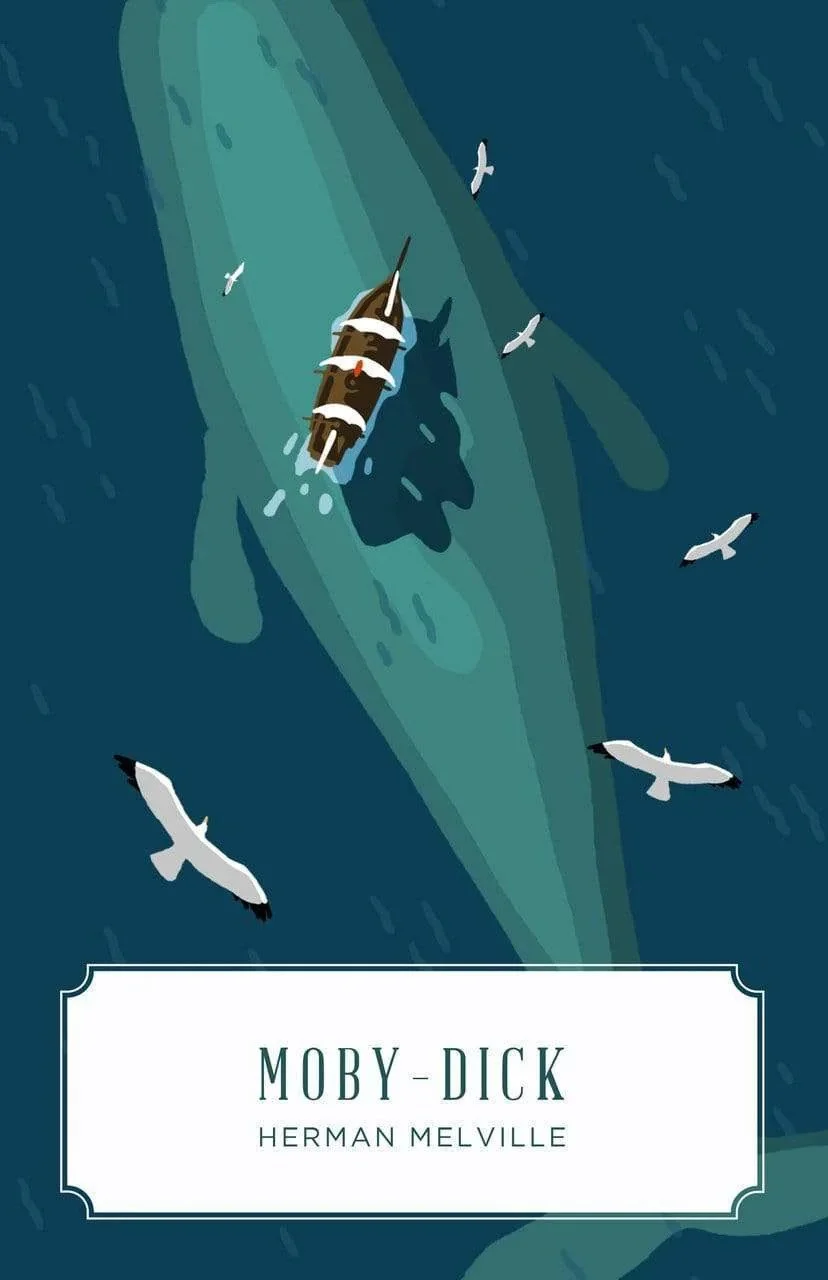
Moby-Dick | Herman Melville
I can hear you groaning, but I’ll just say this: don’t knock it till you try it! I read Melville’s epic along with friends, including our trailblazing leader, Jake, who is a stalwart champion for this book. What most surprised me about Moby-Dick is how well it mixes humor—the infamous “Cetology” chapter is surprisingly hilarious—and dread, as Ahab self-sabotages and Ishmael tries to extract meaning from his desolate surroundings. Ultimately, it ends with both a bang and a whimper, an exhilarating tension between its slow pace and its climactic final chase. The whale really does loom large in this book, but when it ends, the creature sinks below the surface and leaves emptiness behind.
Pairing: “Whalesong” | Guan Un | The Deadlands
This was always going to be a difficult pairing, given how different Melville’s writing is from today’s trends. However, beyond the title of Un’s electric piece, “Whalesong” captures some of Ishmael’s central motivations right at the beginning: “Hailey had just been driving, foot tensed on the pedal, hoping velocity would turn into an answer for a question that she didn’t know.” What follows is, in some ways, the opposite of Moby-Dick’s doomed conclusion—shared liberation in the face of chaos.
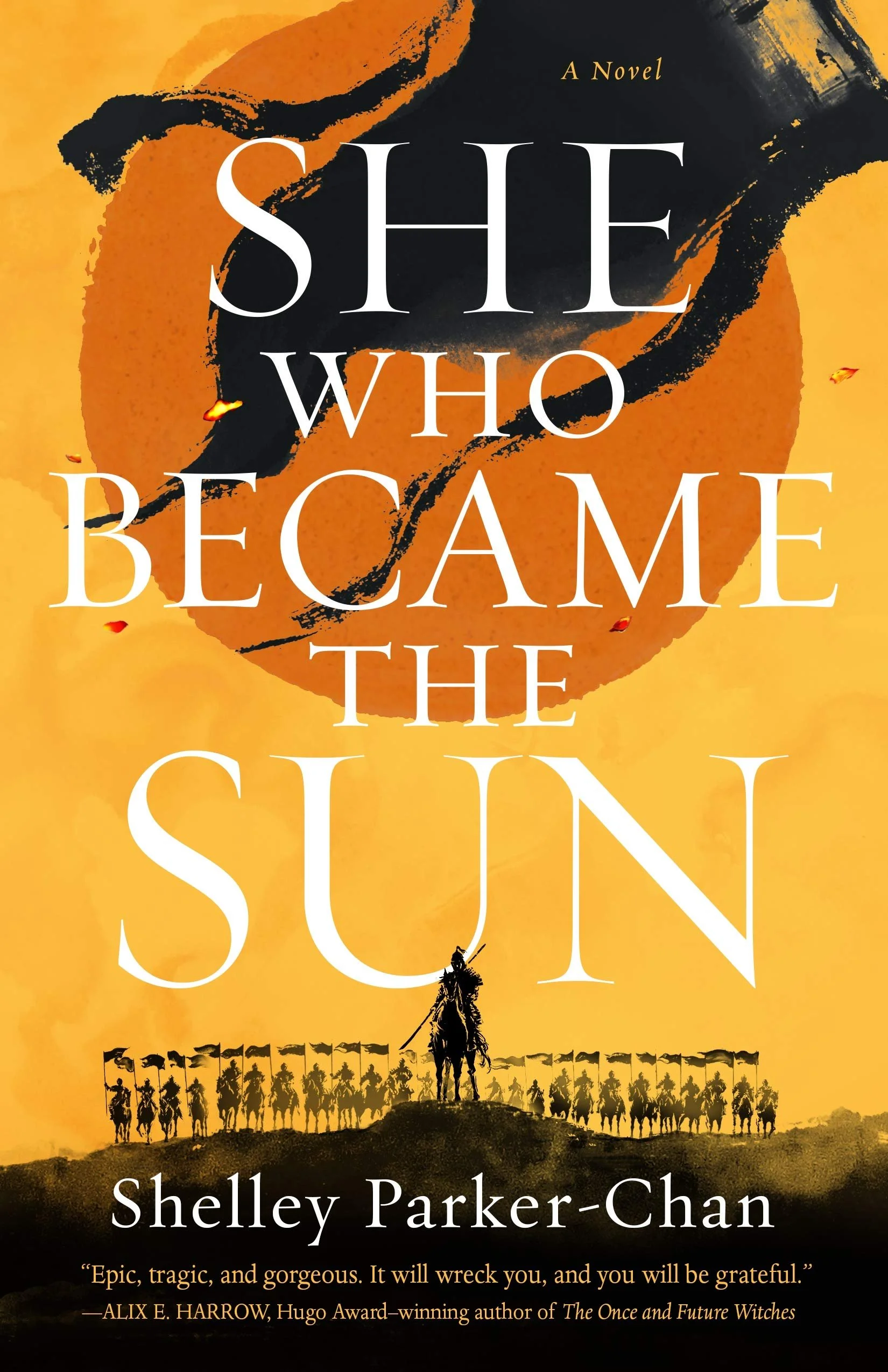
She Who Became the Sun | Shelley Parker-Chan
Parker-Chan’s historical fantasy opens with famine and the death of our main character’s family. She assumes her brother’s identity, becoming Zhu Chongba, who was said to be fated for greatness. She Who Became the Sun winkingly plays with many tropes (and puns), contorting them into new, unexpected shapes as Zhu makes her journey from monk to military advisor and beyond. Zhu is an incredibly compelling character, and one whose true nature was elusive all the way to the end.
Pairing: “The Interrogation of So-Ssang” | Seoung Kim | Fantasy
Like Parker-Chan’s novel, Kim’s sparse yet elegantly beautiful story is also inspired by a real historical figure, with a twist that foregrounds forbidden love and queer identity.
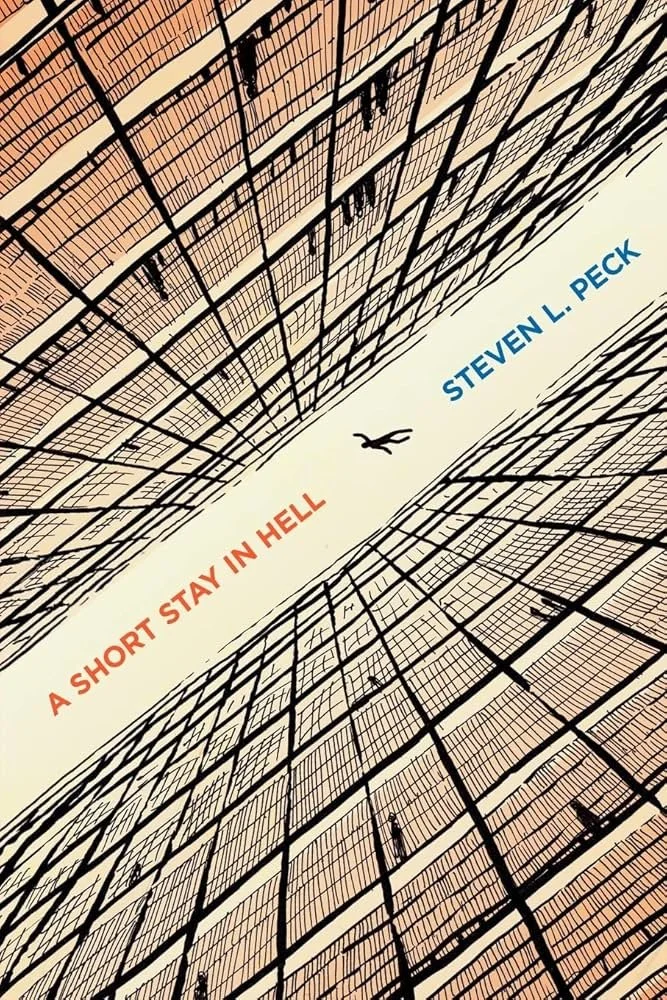
A Short Stay in Hell | Steven L. Peck
The last in my series of existential nightmares, A Short Stay in Hell contemplates what hell would be like if it were an infinite library—and you have to find your life story in order to leave. Told in five short chapters, the dread doesn’t so much mount as spike. The tension between the brevity of the book and the thousands of years that flash by is exquisite—and horrifying.
Pairing: “The Yogurt Salesman” | Derek Lake Berghuis | BOMB Magazine
In Berghuis’s Twilight Zone-esque story, life goes on even though the sun is dying. Both this story and Peck’s novella share an uncanny, detached tone that both amplify and mollify the casual, quiet horror its characters face. In the end, we’ll all just wake up to face another day, right?
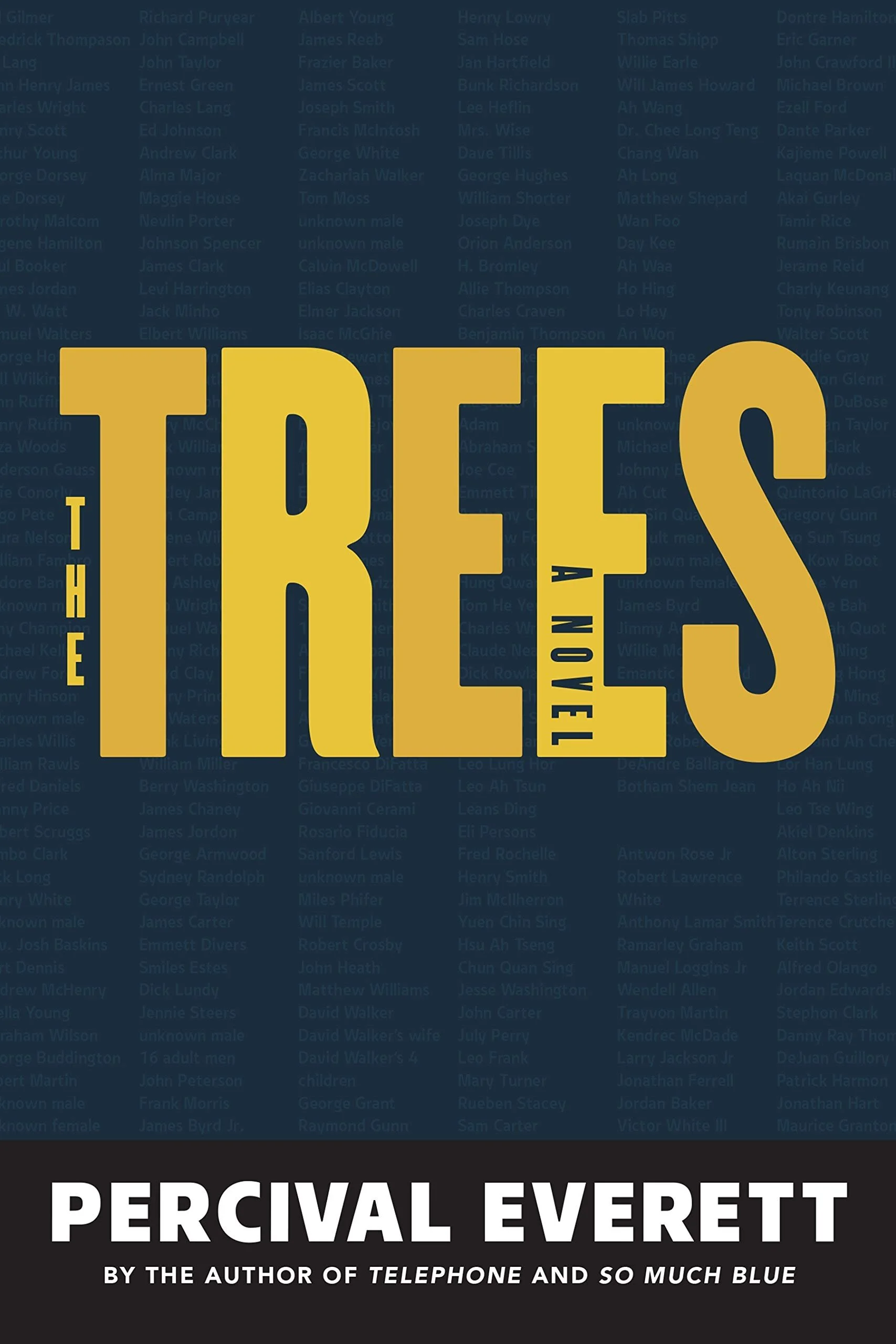
The Trees | Percival Everett
The Trees contains the most bracing satire I’ve ever read—which probably won’t surprise anyone who’s read Everett’s books or seen the movie American Fiction (based on Erasure). This book holds up a magnifying glass to White people in the American South, D.C., and everywhere else, and holds it there, hoping that the sun will burn a hole in our foreheads. It dares to ask the question, “What is the right price that would offset the cost of Black suffering?” and demands an answer.
Pairing: “A Nameless Thing” | P.C. Verrone | FIYAH
Names are so important to the plot and the point of The Trees that, at one point, there’s an entire chapter filled with the names of every victim of lynching in the history of the United States. Both Everett’s and Verrone’s stories emphasize how powerful names can be; Verrone’s shows what happens when reckoning with that power can bring both justice and healing. (Buy the fantastic Gods and Monsters issue of FIYAH here!)
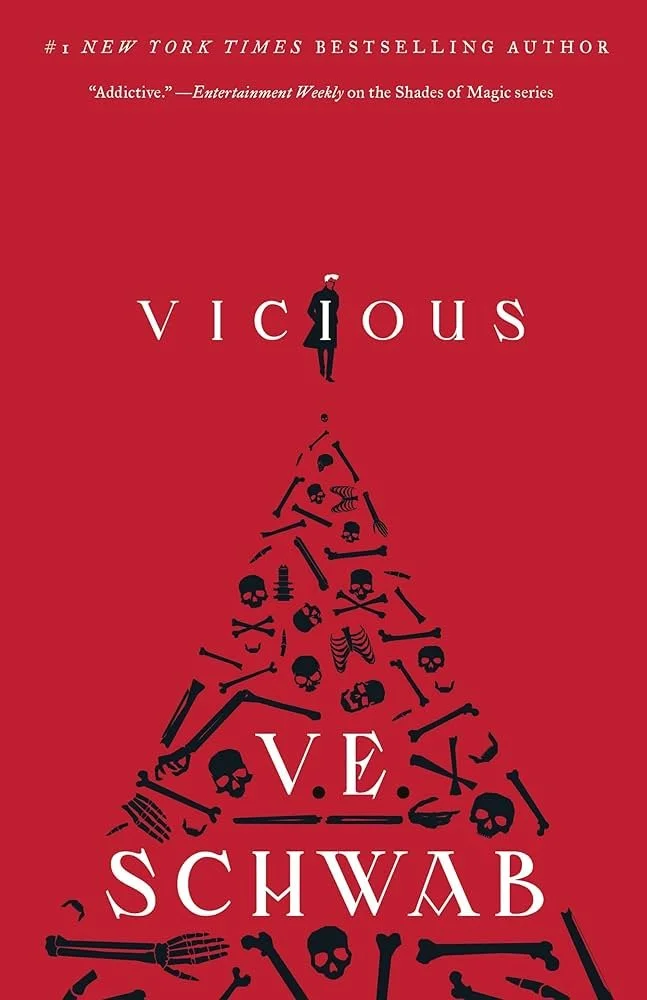
Vicious | V.E. Schwab
It’s rare to find worldbuilding that works like it does in Vicious. When roommates Victor and Eli discover they can develop superpowers through inducing near-death experiences, the results of their experiments feel plausible rather than outlandish. Sure, there’s a comic-book sheen on everything, from the setting to the pulpy writing style—but Schwab’s magic trick with Vicious is how true it all feels. What would happen to someone’s mind when they learn they can’t die, or can’t feel pain? The results are harrowing and delicious to read.
Pairing: “Lies as the Natural State of Things” | Rich Larson | Apex
Another contender for my favorite story of the year! Larson’s working-class fantasy—about fishermen who find a humble wooden cup with mysterious power—carries a quiet menace. It’s teeming with beautiful language and brutal choices, examining power and its consequences from a similar angle to Vicious.
Tentatively Recommend
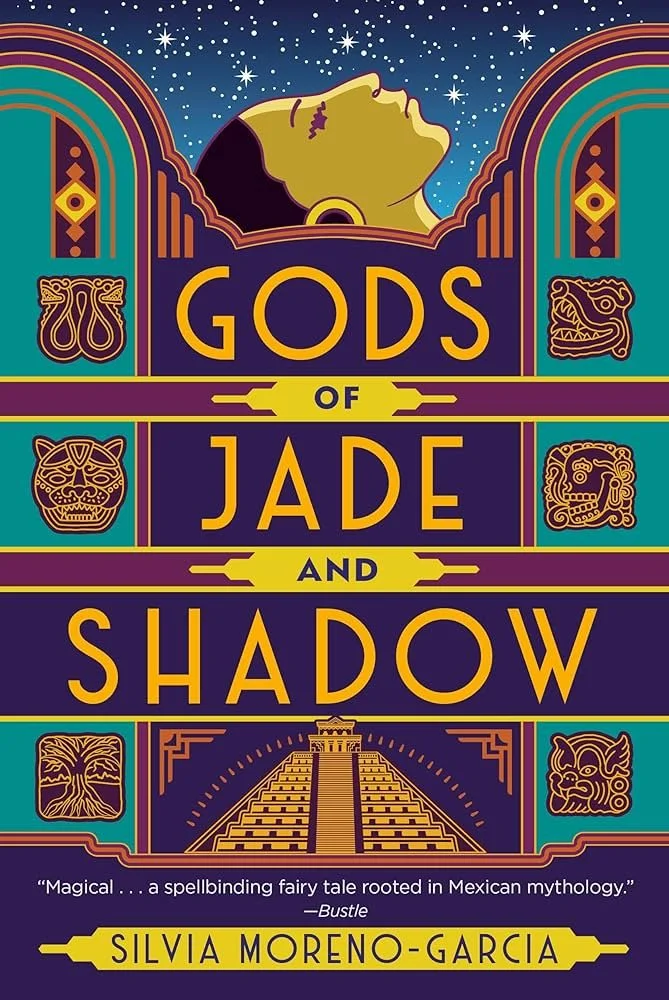
Gods of Jade and Shadow | Silvia Moreno-Garcia
The concept of Moreno-Garcia’s coming-of-age story—what if Mayan gods were alive in Mexico in the Jazz Age?—is full of brightness, wonder, and a touch of danger. Casiopeia’s journey and her chemistry with Hun-Kamé (the Mayan god of death, on a quest to retake his usurped throne) felt a bit distant and formal to me, which I felt didn’t match the brilliance of the setting. Thus, this one landed in the “Tentatively Recommend” category. Others have resonated more strongly with Casiopeia’s journey—and maybe you will too!
Pairing: “Tuesday” | Ellis Nye | Small Wonders
Throughout Gods of Jade and Shadow, Casiopeia and Hun-Kamé are bound together by a joint curse, much like the two doomed lovers in “Tuesday,” an especially squirmy sci-fi piece that questions the shaky origins of love, dominance, and control.
The Mars House | Natasha Pulley
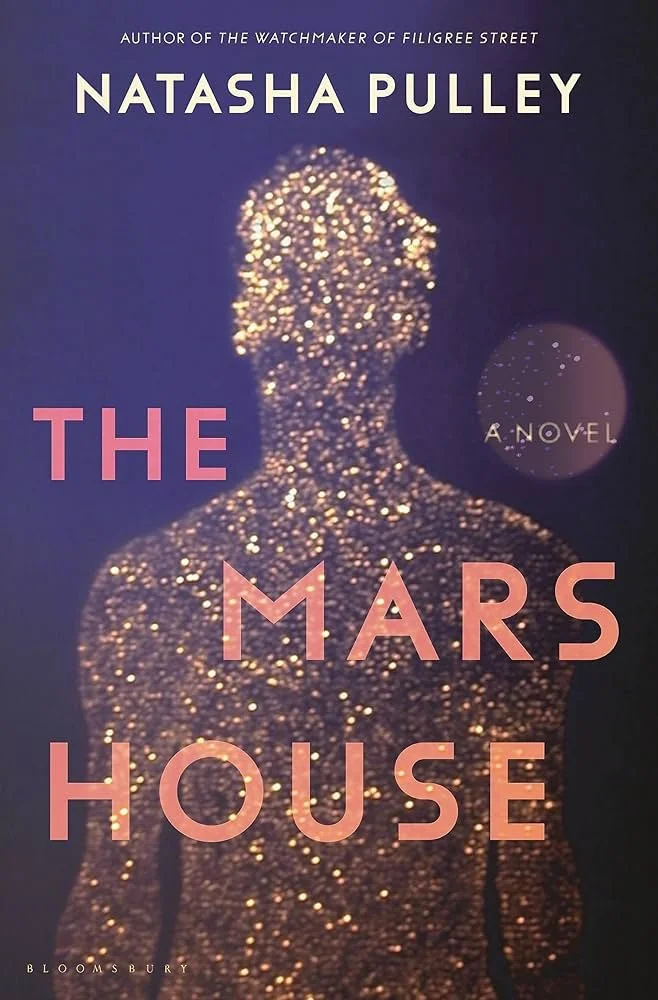
Equal parts political drama, love story, and murder mystery, The Mars House has something for everyone (at least in theory). We follow January, a climate refugee from Earth, who is made “Earthstrong” by Mars’s weak gravity. A series of televised stunts lead January to enter a marriage of convenience to Aubrey Gale, a savvy extremist politician running for office who must contend with mounting threats to Mars’s fragile colony. Pulley raises some intriguing (and frustrating) questions about power, identity, and political optics that were hard to map onto real-world situations. I found myself spending more energy puzzling out how I was supposed to feel about The Mars House than I did enjoying The Mars House. Still, that’s what often makes sci-fi so interesting: the geopolitical tensions don’t have to correspond neatly to our own, which opens the door for a thought-provoking story.
Pairing: “Where the Brass Band Plays” | Katie McIvor | PseudoPod
As a political drama/love story, so much of The Mars House has to do with interpreting what’s genuine and what’s for show. McIvor’s unsettling tale of a town ravaged by climate change, where “Dreamers” experience (or hallucinate?) the town as it used to be in its heyday, makes those questions of interpreting what’s genuine quite literal. What would you do if your family moved through life seeing and experiencing a reality you don’t?
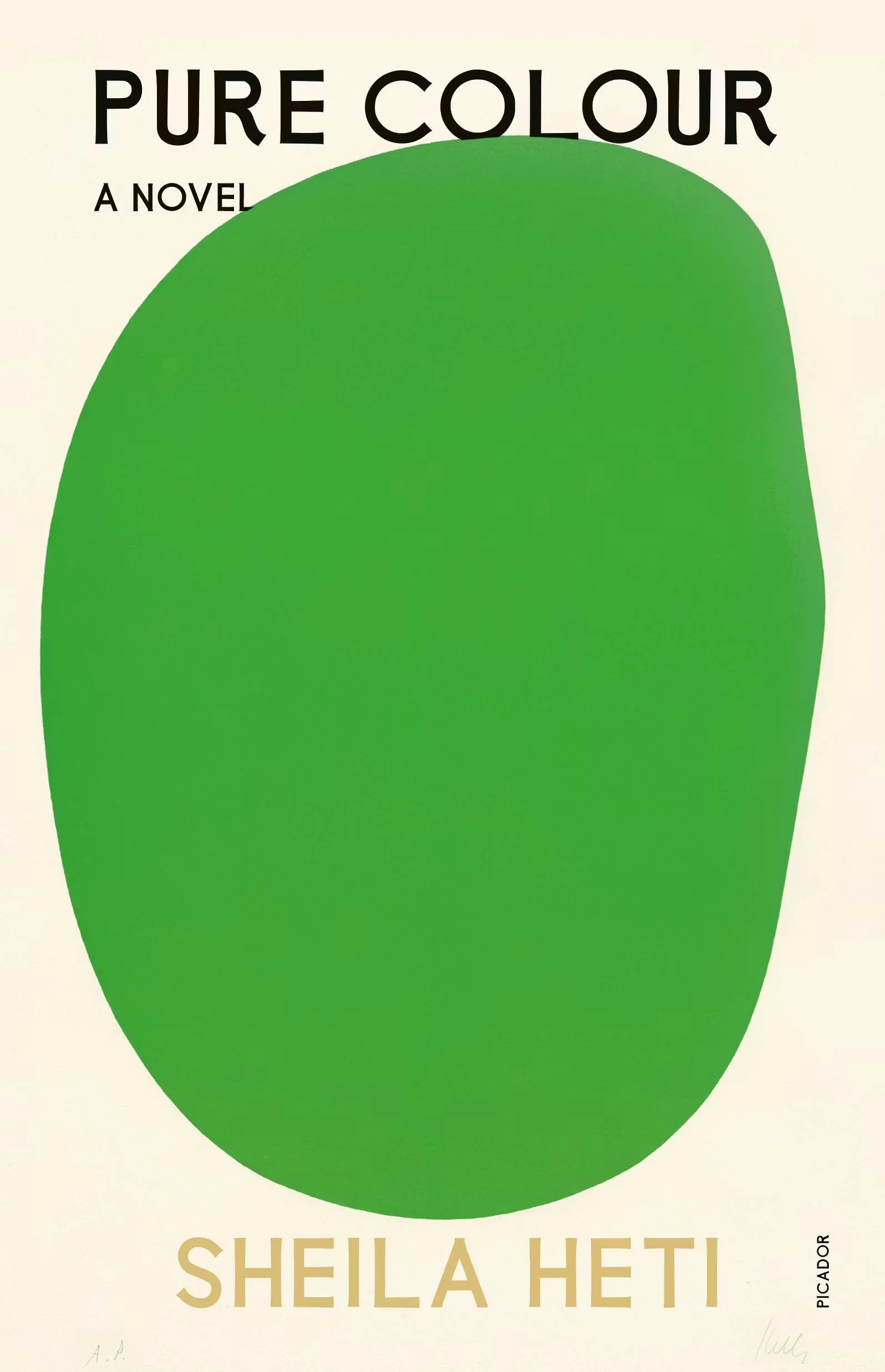
Pure Colour | Sheila Heti
Everyone in the world is either a bear, a fish, or a bird, and sometimes people turn into leaves. If you aren’t thrown by that sentence, you’ll like Heti’s surreal odyssey about Mira, an art critic who loves, grieves, and transforms in increasingly absurd (but mundane) ways. This book has its ardent fans—like the woman on the train who excitedly asked me if I was bear, fish, or bird—and I’m sure it has its haters too. But I found it to be just nice.
Pairing: “Sunflower Loop” | Beth Goder | Translunar Travelers Lounge
One of my favorites from slushing for Translunar Travelers Lounge again this year made it into the February issue! Goder combines time loops with floral transformation in this story about escaping predetermined patterns, much like Mira does through her transformation in Heti’s novel.
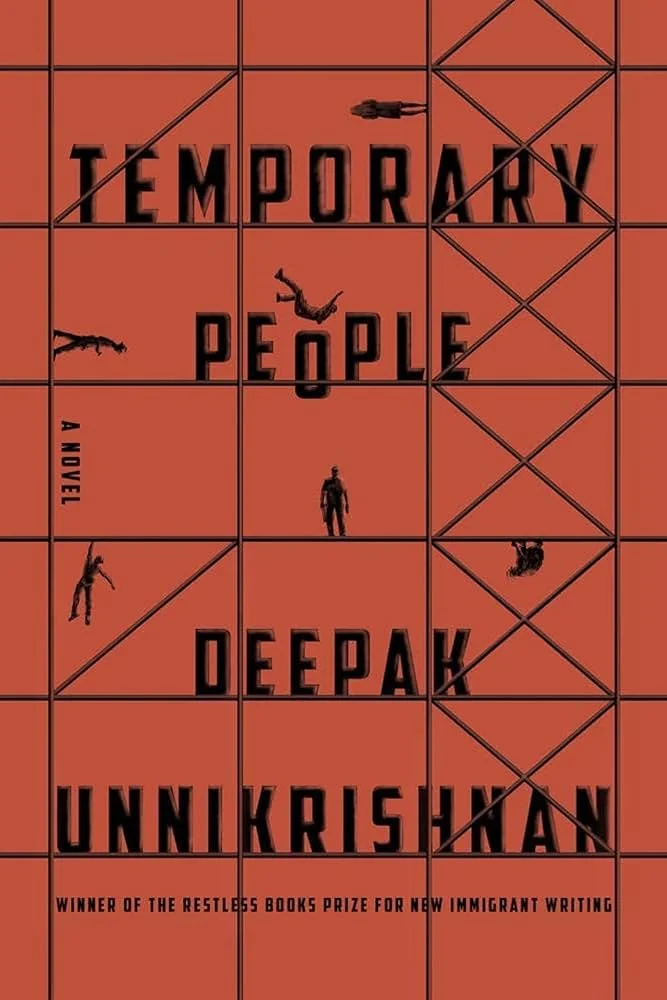
Temporary People | Deepak Unnikrishnan
On paper, Temporary People is extremely geared to my tastes: a loosely connected series of absurd short stories all tangentially related to the deaths and disappearances of migrant workers in Abu Dhabi. Unnikrishnan’s style crosses between myth, satire, and absurdist dread—sometimes it works, sometimes it doesn’t. But rest assured, from people swallowing planes to a band of militant cockroaches, it is one of the most unique things you’ll ever read.
Pairing: “The Unfactory” | Derrick Boden | Diabolical Plots
Boden’s story of a factory worker dealing with the soul-crushing toll of his job “unmaking” people is a perfect jigsaw-puzzle fit with Temporary People—so much so that, had Unnikrishnan written it, it probably could’ve been in this book.
And one more contentious pick for the road…
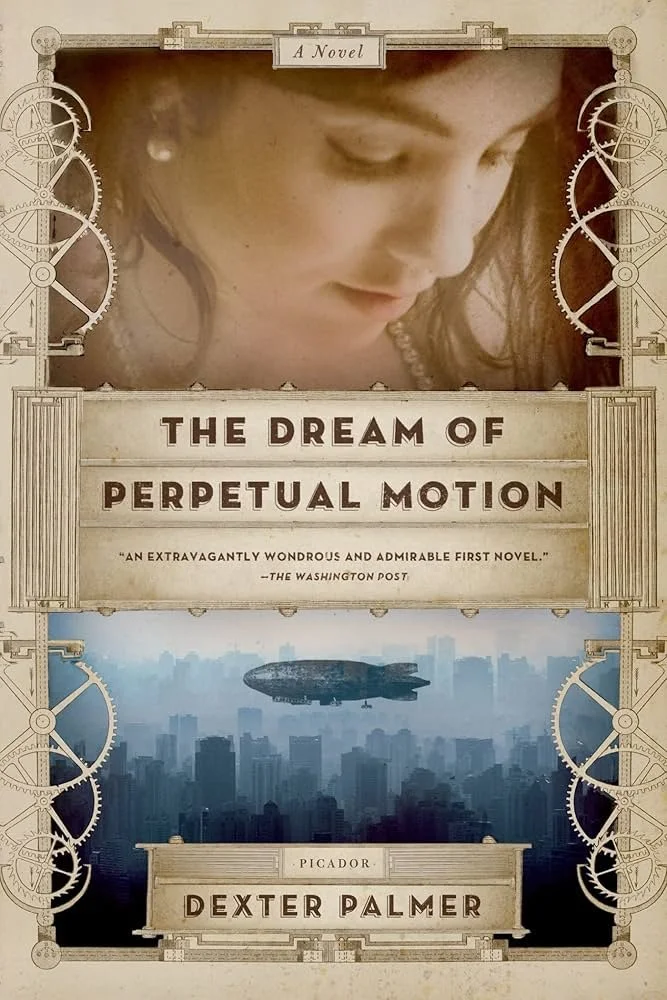
The Dream of Perpetual Motion | Dexter Palmer
I didn’t want to blurb this book. I don’t even know if I’d truly recommend this book, even tentatively. But I had to write about it, because it made me so incredibly angry. Palmer’s novel is bleak postmodernism dressed up in steampunk fantasy. The book starts at the end: our main character, Harold Winslow, a listless and traumatized greeting card writer, is trapped aboard a zeppelin with two entities:
his childhood crush, Miranda, daughter of megalomaniacal inventor Prospero (and before you get excited, allow me to interject that this is not a Tempest retelling) and;
Prospero’s miraculous perpetual motion machine.
Except there’s a catch—Harold has no idea where Miranda is. He only hears her disembodied voice.
Palmer attempts to tackle big themes: the empty promise of fairytale love, the futility of counting on art to explain the world, the impossibility of utopia, and—most of all—the price of obsession. Unfortunately, Palmer’s cynicism and bitterness is off the charts. Every character is detestable for one reason or another (and Palmer actually writes himself into one scene, so at least he’s not above reproach) and there are several violent episodes and plot points that are seriously shocking in the worst way.
So why am I spilling this much ink about it? Honestly, because this book lives rent-free in my brain. I’m still thinking about it, even though I finished it almost a year ago. I want to decode it, I want to fix all its issues, I want to save these characters from their gruesome and depressing fates. But, much to my chagrin, I think that’s Palmer’s point. The cruelty is a mirror—the novel shows us a scenario in which we’re sick to death to each other, of the world, but most of all of ourselves. And striving for salvation or greatness or fulfillment won’t fix that, nor will it satisfy us. We will always possess an inherent sense of fear and loathing that we try to overcome, and many of us will punish others while we try.
Pairing: “Prerequisites for the Creation of a Possible Predicted World” | Chisom Umeh | Clarkesworld
For much of The Dream of Perpetual Motion, the characters are chasing the utopia—a version of their world where everything is “fixed”—they want to live in. Some think that will come with technological breakthroughs, others through love or a meaningful life. The characters in Umeh’s story turn out to be much more honest and level-headed (and, dare I say, mature) about how any world they create will inevitably have flaws, and that’s okay. In fact, that’s necessary.
Bonus: My Alphabetical Year
Thanks for reading this far! I linked to my 26 Alphabetical Books challenge on Storygraph above, but thought I’d list them here for good measure:
Audition, Katie Kitamura
Bunny, Mona Awad
Circe, Madeline Miller
Disoriential, Négar Djavadi
Eleutheria, Allegra Hyde
Flux, Jinwoo Chong
Gogmagog, Jeff Noon and Steve Beard
Homegoing, Yaa Gyasi
Ice, Anna Kavan
Jazz, Toni Morrison
Katabasis, R.F. Kuang
Linghun, Ai Jiang
Martyr!, Kaveh Akbar
Nightbitch, Rachel Yoder
Outline, Rachel Cusk
Ponyboy, Eliot Duncan
Quarantine, Jim Crace
Rejection, Tony Tulathimutte
Sundial, Catriona Ward
Trip, Amie Barrodale
Universality, Natasha Brown
Vengeful, V.E. Schwab
We, Yevgeny Zamyatin
X, Ilyasah Shabazz
Ysabel, Guy Gavriel Kay
Zeitoun, Dave Eggers